Balancing Data Privacy and Interactive Robot Toys: What Parents Need to Know
Category : robottx | Sub Category : robottx Posted on 2023-10-30 21:24:53
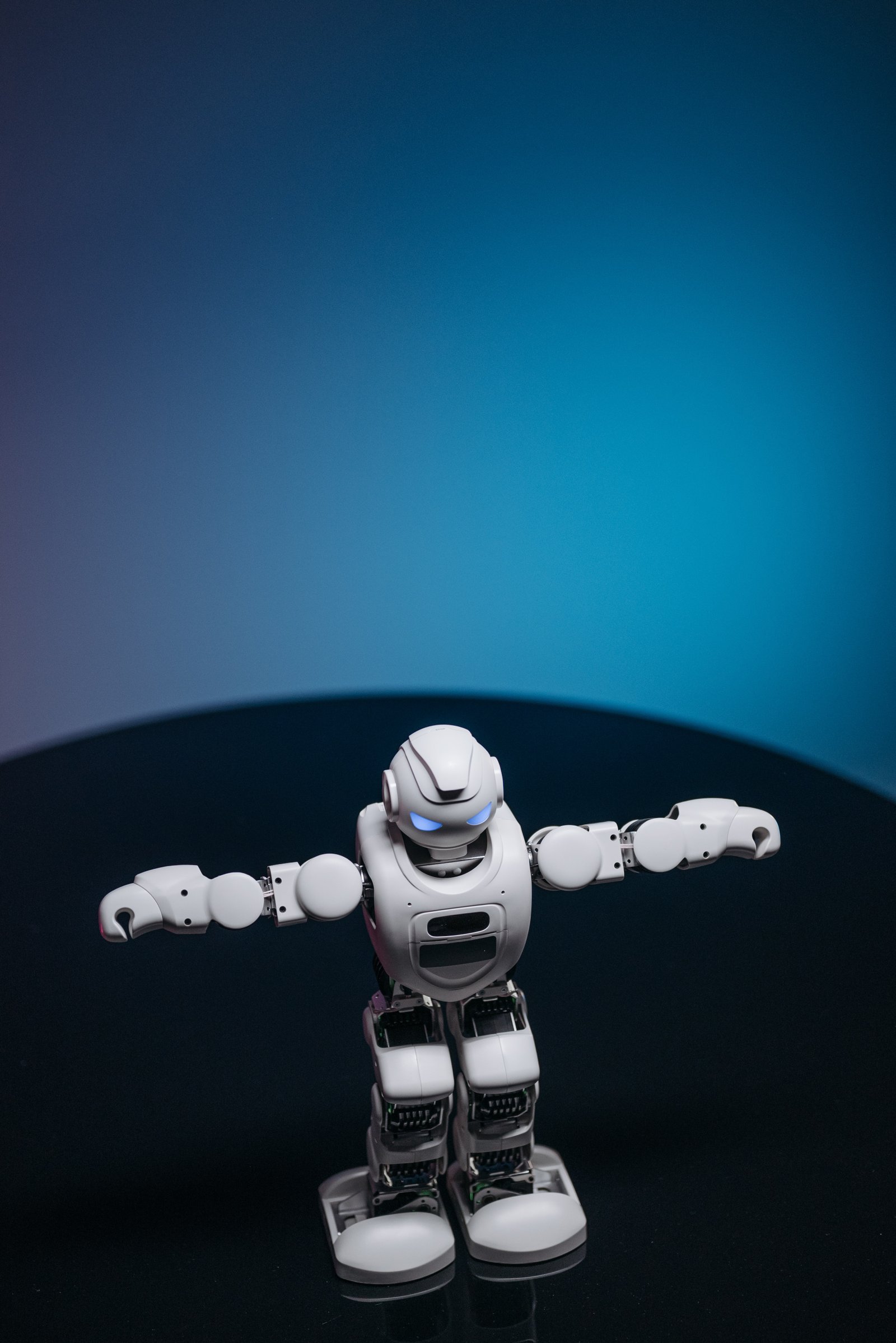
Introduction: In recent years, the toy industry has witnessed a significant rise in interactive robot toys that promise to engage and educate children through innovative features. These toys have the ability to interact, learn, and even adapt to a child's preferences, making them extremely popular among kids and parents alike. However, the increasing connectivity and data collection capabilities of these toys raise concerns about children's data privacy. In this blog post, we will discuss the importance of data privacy and provide practical guidance for parents navigating the world of interactive robot toys. Understanding Data Privacy: Before delving into the specifics of interactive robot toys, it is crucial to have a solid understanding of data privacy. Data privacy refers to the protection and proper handling of personal information, ensuring that it remains confidential, secure, and free from unauthorized access or misuse. When it comes to children's data, ensuring their privacy becomes even more paramount. Data Collection and Use: Interactive robot toys are equipped with various sensors, cameras, and microphones that allow them to interact with children and gather data. This data can include voice recordings, images, and even sensitive details such as names, ages, and preferences. Toy manufacturers may use this data to personalize the toys' responses or improve their algorithms. Data Privacy Risks: While the data collection capabilities of these toys offer fun and engaging experiences, they also raise concerns about privacy risks. If not handled properly, the collected data could be vulnerable to hacking, unauthorized access, or data breaches. Additionally, there is the risk of companies using children's data for targeted advertising purposes or sharing it with third parties. Protecting Children's Data Privacy: 1. Research the toy manufacturer: Before purchasing an interactive robot toy, conduct thorough research on the manufacturer's data privacy policies. Opt for reputable companies that prioritize data protection and have transparent practices. 2. Understand the toy's connectivity and data collection capabilities: Read the toy's documentation, including the privacy policy and terms of service, to gain insights into what data is collected, how it is used, and who has access to it. Look for toys that offer built-in privacy features like encryption and parental controls. 3. Use offline or limited connectivity modes: Some interactive robot toys provide options to operate without internet connectivity or limit the data collected. Opting for these modes can help minimize the potential privacy risks associated with extensive data collection. 4. Regularly update and secure the toy: Keep the interactive robot toy's software up to date to ensure it has the latest security patches. Additionally, secure the toy by setting strong passwords and enabling any available security features. 5. Stay informed and adapt: Data privacy laws and regulations continually evolve. Stay informed about the latest developments and updates regarding children's data privacy. Adjust your practices accordingly to protect your child's data effectively. Conclusion: Interactive robot toys present exciting opportunities for children's play and learning. However, data privacy concerns cannot be overlooked. By understanding the data collection and usage practices of these toys, researching manufacturers, and implementing privacy-conscious practices, parents can strike a balance between allowing their children to enjoy interactive robot toys and protecting their data privacy. Ensuring that children's data is handled securely is an essential step in fostering a safe and enjoyable play experience in the era of advanced technology. To understand this better, read http://www.privacyless.com
Leave a Comment:
SEARCH
Recent News
- Robot Toys: Vancouver's Top Startups
- Robotic toys have become increasingly popular over the years, captivating both children and adults with their advanced features and interactive capabilities. With Vancouver being a hub for innovation and technology, it comes as no surprise that the city has established itself as a key player in the export and import of robot toys.
- Robot Toys: Exploring Vancouver's Best Companies
- Robots have become increasingly popular in recent years, not just as tools for industry and technology, but also as fun and educational toys for children. Robot toys offer a unique way for kids to engage with technology and learn about robotics and programming in a hands-on manner. In the UK, the government offers various business support programs to help companies that are involved in the production and distribution of robot toys.
- When it comes to exporting and importing robot toys in the UK, there are rules and regulations that need to be followed to ensure a smooth and compliant process. Robot toys have gained popularity in recent years due to advancements in technology, making them more interactive and engaging for children and adults alike. If you are a manufacturer, distributor, or retailer looking to export or import robot toys in the UK, it's important to be aware of the rules that govern this industry.
- The town of Tataouine in Tunisia has recently seen a rise in popularity of robot toys among children. These interactive toys have become a favorite among parents and kids alike for their fun features and entertainment value.
- Robotic toys have been capturing the attention of both children and adults in recent years, with their advanced features and interactive capabilities. As technology continues to evolve, the world of robot toys is also seeing some exciting trends that are shaping the industry. Let's take a closer look at some of the emerging trends in robot toys.
- Robots have long captured the imagination of children and adults alike with their futuristic and interactive capabilities. When it comes to robot toys, there are some top Irish companies that excel in creating innovative and engaging products for all ages.
READ MORE
11 months ago Category : robottx

Robot Toys: Vancouver's Top Startups
Read More →11 months ago Category : robottx

Robotic toys have become increasingly popular over the years, captivating both children and adults with their advanced features and interactive capabilities. With Vancouver being a hub for innovation and technology, it comes as no surprise that the city has established itself as a key player in the export and import of robot toys.
Read More →11 months ago Category : robottx

Robot Toys: Exploring Vancouver's Best Companies
Read More →11 months ago Category : robottx
