Enhancing Fun and Education: Soldering Techniques for Robot Toys
Category : robottx | Sub Category : robottx Posted on 2023-10-30 21:24:53
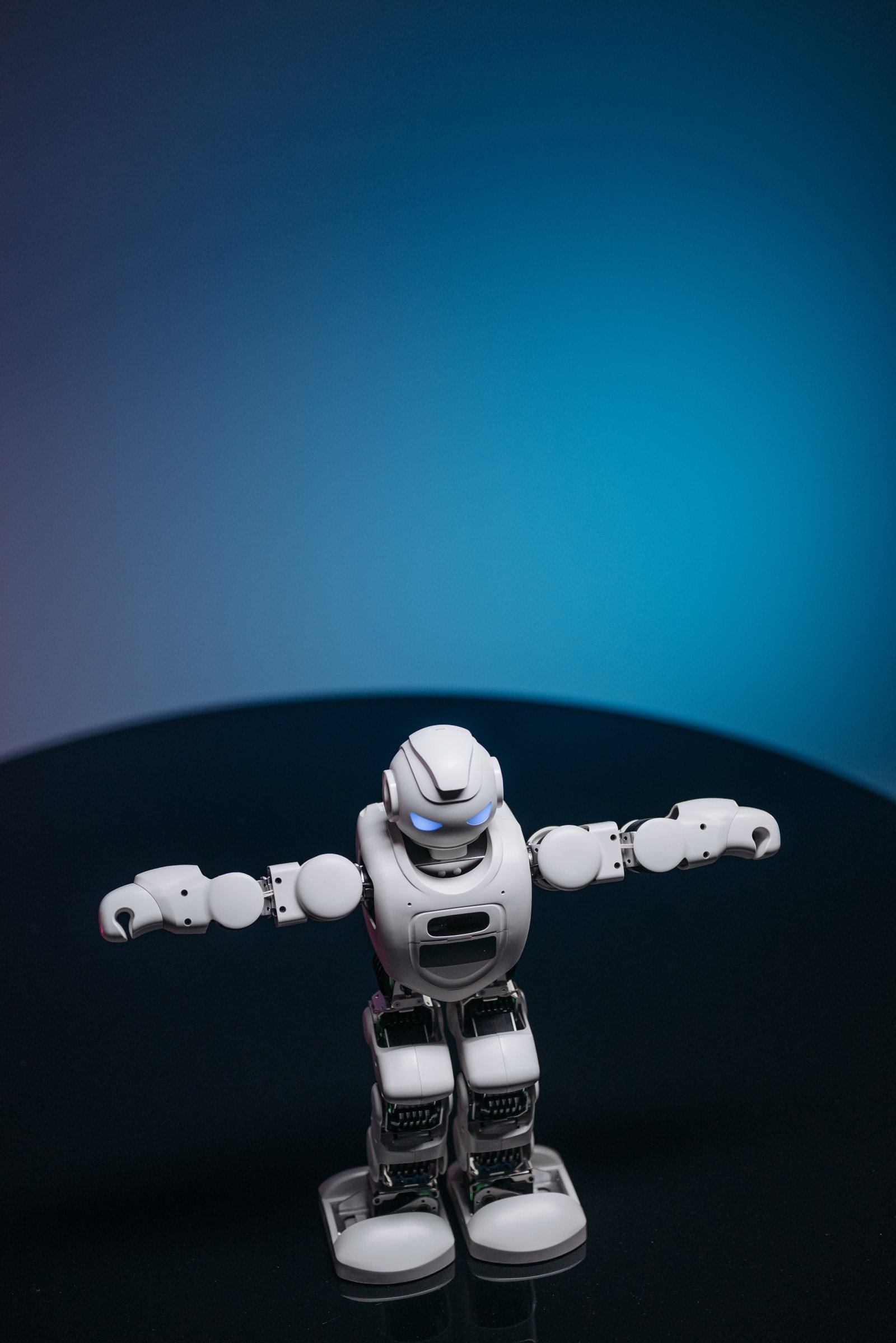
Introduction: Robot toys have become immensely popular, offering a thrilling combination of playful entertainment and educational value. As technology continues to advance, kids and even adults are finding joy in building their own robotic creations. One crucial aspect of bringing these little creatures to life is the art of soldering. In this blog post, we will explore the essential soldering techniques that can help hobbyists, makers, and enthusiasts assemble and optimize their robot toys. 1. Understanding Soldering: Soldering is the process of joining two or more electrical components using molten metal, known as solder. It involves the use of a soldering iron, solder wire, and flux to create strong electrical connections. If you are new to soldering, make sure to practice on scrap materials before working on your robot toy. 2. Choosing the Right Equipment: Investing in high-quality soldering equipment is crucial for achieving precise and reliable soldering joints. Opt for a soldering iron with an adjustable temperature control, a fine tip for intricate work, and a comfortable grip for extended use. Additionally, choose lead-free solder wire with a diameter suitable for the size of components on your robot toy. 3. Preparing the Components: Before starting the soldering process, examine the robot toy's components and plan the layout. Identify the correct placement of resistors, capacitors, ICs (integrated circuits), connectors, and other electronic parts. Prepare the components by trimming any excess leads, cleaning them with isopropyl alcohol, and tinning them with a thin layer of solder. 4. Soldering Technique: a. Heat Control: Adjust the soldering iron to the appropriate temperature for the specific component you are working on. Using too much heat may damage delicate components, while insufficient heat will result in weak joints. b. Applying Flux: Apply a small amount of flux to the soldering joint. Flux helps remove oxidation and improves the solder's ability to flow smoothly, ensuring a robust and reliable connection. c. Tinning: Heat the component lead and pad simultaneously for a few seconds. Once they reach the ideal temperature, touch the solder wire to the joint, allowing the solder to melt and flow evenly around the components. d. Avoiding Cold Joints: A cold joint occurs when the solder fails to flow correctly, resulting in a weak or unreliable connection. To prevent this, ensure that the components are heated adequately and the solder flows freely. A shiny, smooth joint indicates a good solder connection. e. Cleaning the Solder Connection: After soldering, inspect the joint to ensure there are no solder bridges (unwanted connections) or dry joints (poorly soldered areas). Use solder wick or a solder sucker to remove excess solder if needed. 5. Safety Precautions: Soldering involves working with high temperatures and potentially harmful fumes. Prioritize safety by working in a well-ventilated area or using a fume extractor. Wear heat-resistant gloves, eye protection, and avoid touching the soldering iron's hot tip. Conclusion: Mastering the art of soldering is an essential skill for anyone interested in building and customizing their robot toys. By understanding the different techniques and practicing them diligently, you can ensure robust and reliable connections, resulting in functional and enjoyable robotic creations. Remember to prioritize safety and invest in quality equipment. So, let your imagination run wild and have a blast soldering your way to a world of robotic fun and learning! also click the following link for more http://www.mntelectronics.com
Leave a Comment:
SEARCH
Recent News
- Robot Toys: Vancouver's Top Startups
- Robotic toys have become increasingly popular over the years, captivating both children and adults with their advanced features and interactive capabilities. With Vancouver being a hub for innovation and technology, it comes as no surprise that the city has established itself as a key player in the export and import of robot toys.
- Robot Toys: Exploring Vancouver's Best Companies
- Robots have become increasingly popular in recent years, not just as tools for industry and technology, but also as fun and educational toys for children. Robot toys offer a unique way for kids to engage with technology and learn about robotics and programming in a hands-on manner. In the UK, the government offers various business support programs to help companies that are involved in the production and distribution of robot toys.
- When it comes to exporting and importing robot toys in the UK, there are rules and regulations that need to be followed to ensure a smooth and compliant process. Robot toys have gained popularity in recent years due to advancements in technology, making them more interactive and engaging for children and adults alike. If you are a manufacturer, distributor, or retailer looking to export or import robot toys in the UK, it's important to be aware of the rules that govern this industry.
- The town of Tataouine in Tunisia has recently seen a rise in popularity of robot toys among children. These interactive toys have become a favorite among parents and kids alike for their fun features and entertainment value.
- Robotic toys have been capturing the attention of both children and adults in recent years, with their advanced features and interactive capabilities. As technology continues to evolve, the world of robot toys is also seeing some exciting trends that are shaping the industry. Let's take a closer look at some of the emerging trends in robot toys.
- Robots have long captured the imagination of children and adults alike with their futuristic and interactive capabilities. When it comes to robot toys, there are some top Irish companies that excel in creating innovative and engaging products for all ages.
READ MORE
11 months ago Category : robottx

Robot Toys: Vancouver's Top Startups
Read More →11 months ago Category : robottx

Robotic toys have become increasingly popular over the years, captivating both children and adults with their advanced features and interactive capabilities. With Vancouver being a hub for innovation and technology, it comes as no surprise that the city has established itself as a key player in the export and import of robot toys.
Read More →11 months ago Category : robottx

Robot Toys: Exploring Vancouver's Best Companies
Read More →11 months ago Category : robottx
